
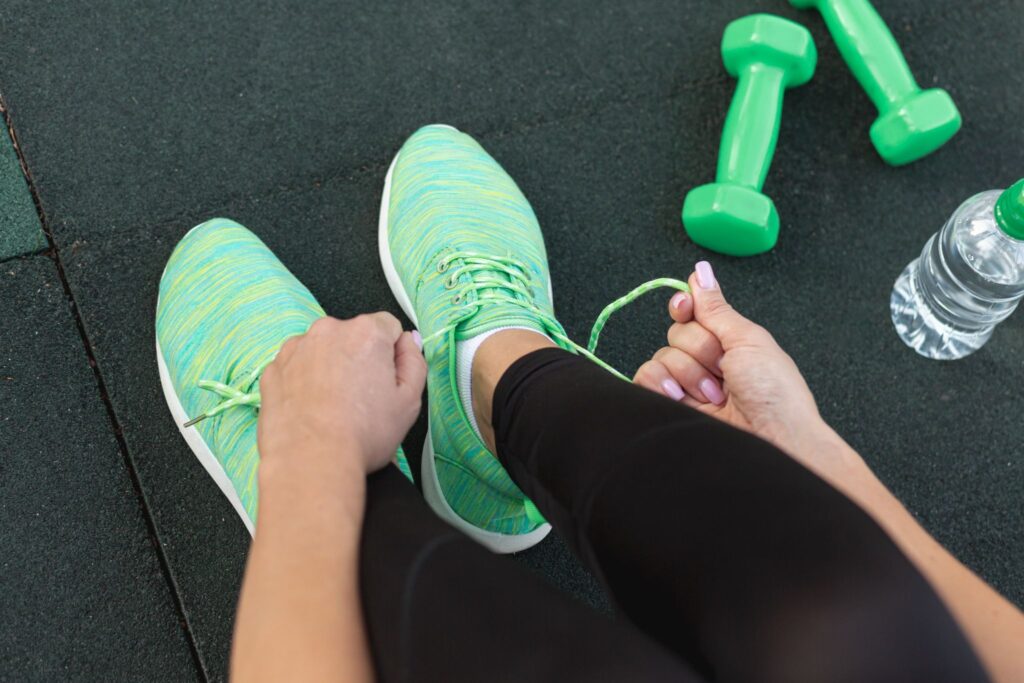
Falling out of a fitness routine is more common than most people admit. Life gets busy, energy drops, motivation fades, and suddenly weeks or even years have passed without a single workout. If you’re trying to figure out how to get back into working out, you’re in the right place. This guide is designed to help you move forward with confidence, whether you’re returning after gaining weight, recovering from being sick, or rebuilding strength after a long break.
Your body can learn again. Your strength can return. You can start where you are today, even if that feels like square one. Let’s take this step by step and make your return to exercise feel doable, safe, and encouraging.
What Happens When You Take a Long Break From Exercise
Time away from movement affects your body, but not in a way that should discourage you. Cardio fitness tends to decline first, which is why going up the stairs might feel harder than you remember. Your muscles can lose some strength, but the “muscle memory” you built in the past often helps you regain it faster than a total beginner.
You may also notice stiffness, reduced mobility, or more soreness than you expect. These are signs that your body needs gentle reintroduction, not punishment or high-intensity training on day one. With a slow start, you’ll adapt quickly and safely.
A Simple Three-Phase Plan to Start Working Out Again
This three-phase plan keeps things manageable and helps you rebuild confidence. It works whether you’re coming back after weeks, months, or even years.
Phase 1: Week 1–2 – Just Start Moving
This is your warm welcome back. Your only job here is to reconnect with movement in small, real-life ways. A short daily walk counts. Light stretching counts. A 5-minute dance break absolutely counts. Think of this phase as warming up the engine, not flooring the gas pedal.
What to focus on in Phase 1:
- Gentle walking most days
- Mobility or stretching sessions (Perspire.tv has several beginner-friendly routines)
- Short, simple movement “snacks” throughout the day
Example Week (Phase 1)
| Day | Activity |
| Monday | 10-minute walk + light stretch |
| Tuesday | 5-minute movement snack (march in place, hip circles, arm swings) |
| Wednesday | Beginner stretch class |
| Thursday | 10–15-minute relaxed walk |
| Friday | Another movement snack session |
| Saturday | Light household activity or gentle movement |
| Sunday | Rest or easy stretch |
This phase is intentionally easy. The goal is to feel good about showing up.
Phase 2: Week 3–4 – Build a Small Routine
Once your body remembers what movement feels like, you can add a bit more structure. This doesn’t mean jumping straight into cardio bursts or heavy weights. It simply means adding intention and consistency.
What to focus on in Phase 2:
- Three days of light cardio (walking, low-impact dance, beginner workouts)
- Two days of very simple strength work (bodyweight or light bands)
- One day of longer stretching or mobility
Light Cardio Ideas:
- A brisk 15–20 minute walk
- A low-impact Perspire.tv beginner cardio class
- A gentle dance session that simply gets your heart rate up
Beginner Strength Ideas:
- Squats to a chair
- Wall push-ups
- Hip hinges or glute bridges
- Light resistance band rows
Progress happens here not because you push hard, but because you show up with steady energy.
Phase 3: Week 5–8 – Gradually Add Challenge
By now you’re building consistency, which means it’s safe to introduce a little more intensity. This doesn’t have to be dramatic. A slightly longer walk, a gentle interval workout, or a second strength day is enough to shift your fitness forward.
What to focus on in Phase 3:
- Increase workout time slowly
- Add simple intervals if you feel ready (30 seconds faster / 1–2 minutes easy)
- Add a little resistance to your strength sessions
- Continue weekly flexibility work
A Suggested Weekly Breakdown:
| Category | Goal |
| Light–Moderate Cardio | 2–3 sessions (20–30 minutes) |
| Strength Training | 2 sessions |
| Flexibility / Mobility | 1–2 sessions |
| Optional Fun Workout | Dance, Pilates, yoga, whatever you enjoy |
This phase reminds your body what it’s capable of, but without pushing it to extremes.
How to Get Back Into Working Out After Weight Gain
Returning to movement after weight gain can feel intimidating, but it doesn’t need to be. Your body benefits from gentle activity long before workouts get intense.
Focus on low-impact options that protect your joints and help you rebuild stamina without pressure. Walking, slow cycling, water workouts, and beginner-friendly dance classes are great places to start. Strength training with light resistance will also support your metabolism and help you feel stable and strong again.
The most important part is moving without judgment. You’re not “making up for lost time.” You’re giving your body care it already deserves.
How to Get Back Into Working Out After Being Sick
If you’re recovering from illness, especially something that affected your breathing or energy, take your time. Your body needs a slow, patient return. Start with very light movement that doesn’t leave you drained. A couple of minutes of stretching or a slow walk might be enough at first.
If you feel lightheaded, unusually short of breath, or experience chest discomfort, pause and check in with a medical professional before increasing activity. Recovering safely matters more than doing more.
Once your energy begins to return, follow the Phase 1 schedule and only increase intensity when your body consistently responds well to movement.
How to Get Back Into Working Out After Years Away
If it’s been years, you’re truly starting fresh and that’s completely okay. Your body may feel unfamiliar, but it will adapt beautifully with patience. Expect workouts that once felt easy to feel challenging again. This is just a sign that your fitness will grow with consistent effort.
Start with the Phase 1 plan for at least two full weeks. Give yourself time to rebuild base strength, flexibility, and confidence. Once you feel steady, gently move into Phase 2. This slow progression lowers injury risk and keeps motivation high.
Having a little guidance can help when you’re getting back into exercise. Perspire.tv offers live & on-demand workouts, so you can follow workouts in real time or choose sessions you can do whenever it suits you. Following along with experienced trainers can help you stay consistent, learn proper form, and feel more confident as your strength and endurance begin to return.
How to Stay Motivated as You Restart Your Fitness Routine
Consistency isn’t built through intensity. It’s built through daily decisions and small moments of encouragement. When you’re returning to movement, motivation grows best through kindness, not pressure.
Helpful ways to stay motivated:
- Track small wins instead of perfection
- Celebrate showing up instead of how long you exercised
- Choose movement that feels enjoyable
- Add music, scenery, or variety to make workouts feel fresh
- Invite a friend or join a virtual class for connection
- Take rest days without guilt
You’re allowed to move slowly. You’re allowed to make mistakes. You’re allowed to start again as many times as you need. What matters is that you keep returning to the version of yourself who wants to feel stronger and more energized.
Sample Weekly Plans to Help You Restart
Below are simple schedules you can follow, depending on your starting point.
Beginner-Friendly Plan (10–20 Minutes a Day)
| Day | Movement |
| Mon | 10-minute walk |
| Tue | Beginner stretch class |
| Wed | Strength basics: squats, wall push-ups, hip hinges |
| Thu | Walk or dance for 10 minutes |
| Fri | Light strength or mobility |
| Sat | Fun movement: dance, Pilates, or yoga |
| Sun | Rest |
Recovery Plan (After Illness)
| Day | Movement |
| Mon | 5-minute slow walk |
| Tue | Gentle stretching |
| Wed | Another light walk |
| Thu | Rest or breathing work |
| Fri | 5–10 minutes of light movement |
| Weekend | Only add time if you feel fully recovered |
Restart Plan (For Former Gym-Goers)
| Day | Movement |
| Mon | Light cardio (20 minutes) |
| Tue | Strength basics |
| Wed | Walk + stretch |
| Thu | Low-impact intervals |
| Fri | Strength basics |
| Weekend | Optional class or rest |
Safety Signs to Watch For
Movement should leave you feeling challenged, not worried. If you experience chest pain, dizziness, nausea, or sudden shortness of breath, pause and reach out for medical guidance before continuing. Your safety always comes first.
Final Thoughts
Getting back into working out isn’t about reclaiming the person you used to be. It’s about meeting yourself where you are now and building something steady, sustainable, and kind. Every short walk, every beginner class, every moment you choose to move is a step toward feeling stronger, clearer, and more connected to your body again. Progress doesn’t come from pushing harder. It comes from showing up with patience and letting your routine grow at a pace that feels right for you.
If you’re ready for guided workouts that fit your energy, your schedule, and your real life, Perspire.tv is here to help you take the next step. You can explore beginner-friendly classes, low-impact options, mobility sessions, and supportive programs that make starting again feel doable.
FAQs
How long does it take to get back into shape after not working out for a long time?
It depends on how long you’ve been inactive and your fitness level before. Many people start feeling stronger and more energetic within a few weeks of consistent walking and basic strength workouts.
Is 10 minutes of exercise enough when I’m starting to work out again?
Yes. Short workouts are a great way to rebuild stamina and form without overloading your body. Regular 10-minute sessions are more effective than long, inconsistent workouts.
How much muscle soreness is normal when restarting workouts?
Mild to moderate soreness is normal when you begin exercising again. Sharp pain, swelling, or soreness that lasts more than a few days usually means you need to reduce intensity or rest more.
How many rest days should I take when getting back into exercise?
Most people need one to two rest days per week. Rest days allow your muscles to recover and help prevent injury, especially when you’re restarting a workout routine.
What should I do if I stop working out again after restarting?
That’s normal. You can always restart your workouts. Each time you return, your body adapts faster, and getting back into a routine becomes easier.