
Most people pay between $40 and $100 per session for a personal trainer, with the national average around $60 to $70 per hour. This covers a one-hour training session at a gym, including program design, form correction, and workout guidance, but does NOT include gym membership fees, specialized equipment, or nutrition planning. Costs vary based on your location, the trainer’s experience level, session frequency, whether you train solo or in a group, and if sessions happen at a gym, your home, or online.
We analyzed pricing from over 200 personal trainers across 30 U.S. cities, reviewed package structures from major gym chains, and compared costs against online fitness platforms to give you the real numbers. This guide breaks down exactly what you’ll pay, what drives costs up or down, and what hidden expenses catch people off guard.
Average Personal Trainer Cost Overview
Understanding the baseline costs helps you spot realistic pricing versus inflated rates. Personal trainer costs vary significantly based on how you structure your sessions.
- Single session (1 hour) costs $40 to $100. One hour of one-on-one training at a gym or fitness studio. The higher end typically includes trainers with 10+ years experience or specialized certifications.
- 10-session package costs $350 to $900. Buying sessions in bulk, typically used over 5 to 10 weeks. Package pricing reduces your per-session cost by $5 to $15 compared to single sessions.
- Monthly (8 sessions) costs $280 to $800. Two sessions per week for four weeks, the most common training frequency. You pay less per session than single bookings but commit to consistent training.
- Small group (per person) costs $20 to $60. Training with 2 to 6 people, splitting the trainer’s time and attention. Each person pays significantly less than solo training while the trainer earns more total by working with multiple clients.
- Virtual/online session costs $30 to $80. Live video training from your home or any location with internet. Lower costs reflect the trainer’s reduced overhead since they don’t pay gym rent or spend time commuting.
What’s Typically Included
Standard personal training sessions cover:
- Customized workout program designed for your goals and fitness level
- Form correction and movement supervision during exercises
- Progress tracking across weeks and months
- Workout adjustments based on how your body responds
- Motivational support and accountability
What Affects Personal Trainer Costs
The $40 to $100 range exists for specific reasons. Understanding what drives prices up or down helps you know if you’re getting fair value or overpaying.
Trainer Experience Level
Experience directly impacts both capability and cost. A trainer with 10 years and multiple certifications knows more than someone fresh out of certification school.
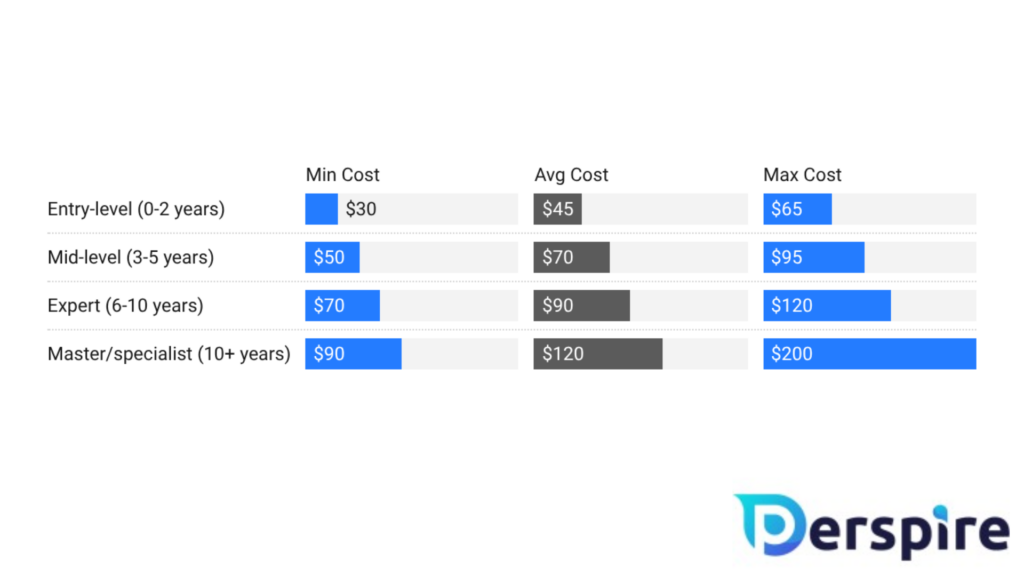
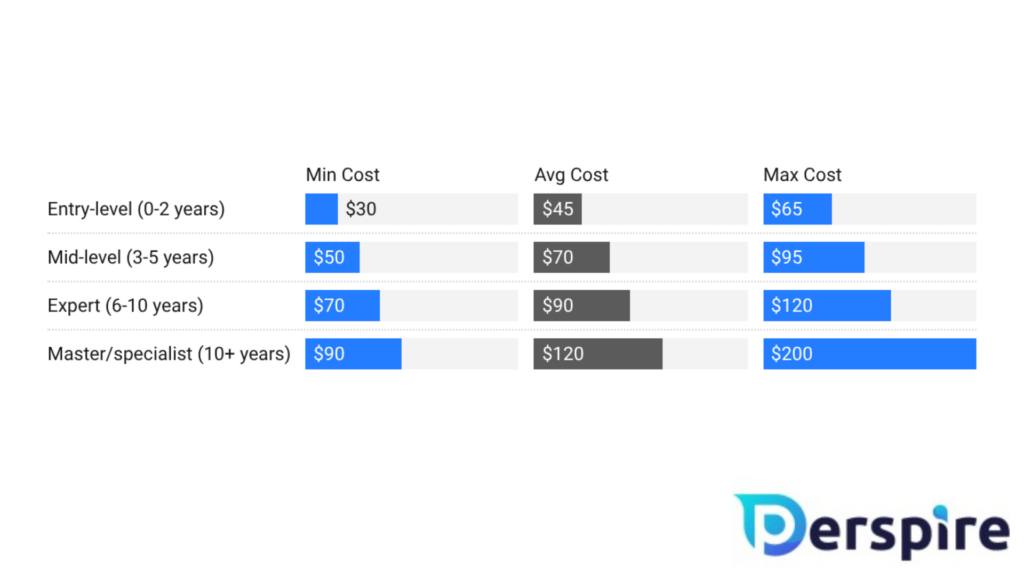
- Entry-level (0-2 years) costs $30 to $65. Recently certified trainers building their client base. They charge less because they’re establishing their reputation and gaining practical experience.
- Mid-level (3-5 years) costs $50 to $95. Trainers with proven client results and additional certifications. Their pricing reflects their track record and the confidence clients have in their methods.
- Expert (6-10 years) costs $70 to $120. Established trainers with specialized knowledge in specific populations or training methods. They charge premium rates because their expertise solves problems other trainers can’t address.
- Master/specialist (10+ years) costs $90 to $200. Elite trainers with extensive credentials, often working with professional athletes or high-net-worth clients. Their pricing reflects their status at the top of the profession and the exceptional results they deliver.
Geographic Location
Where you live dramatically affects personal trainer costs. The same trainer with identical qualifications charges different rates based on local cost of living.
- Major metro (NYC, SF, LA) costs $80 to $200. High-cost urban centers where rent, insurance, and general expenses run much higher. Trainers need to charge more just to cover their business expenses.
- Mid-size cities costs $50 to $120. Cities like Austin, Denver, or Portland with moderate cost of living. These markets support professional trainers at sustainable rates without the extreme overhead of major metros.
- Suburban areas costs $40 to $90. Towns and suburbs outside major cities. Lower commercial rent and less competition allow trainers to charge moderate rates while still earning good income.
- Rural areas costs $30 to $75. Small towns and countryside locations. Limited demand and lower cost of living create the lowest trainer rates.
- Online (any location) costs $30 to $80. Virtual training eliminates geographic pricing differences. Trainers can work with clients anywhere while keeping costs down by eliminating facility rent and commute time.
Training Location
Where your sessions happen affects both the trainer’s overhead costs and the convenience you’re paying for.
- Big box gym costs $40 to $90. Chain gyms like 24 Hour Fitness, LA Fitness, or Gold’s Gym. These facilities provide all equipment and space, keeping trainer overhead low.
- Boutique studio costs $70 to $150. Specialized fitness studios focusing on specific training methods or populations. Higher prices reflect premium positioning, smaller client-to-trainer ratios, and more personalized attention.
- In-home training costs $80 to $180. The trainer comes to your house with portable equipment. Premium pricing covers the trainer’s travel time, gas, equipment transportation, and the convenience you receive.
- Outdoor/park costs $50 to $100. Training in public spaces like parks or beaches. No facility rent means moderate pricing.
- Virtual/online costs $30 to $80. Live video sessions through Zoom, FaceTime, or specialized fitness platforms. The lowest-cost option because trainers eliminate facility expenses entirely and can work with clients back-to-back with no transition time.
Trainer Specialization
Specialized knowledge and certifications increase what trainers can charge because they solve specific problems that general trainers can’t address effectively.
- General fitness costs $40 to $90. Broad knowledge covering weight loss, basic strength training, and cardiovascular fitness. These trainers work with the widest client range and handle common goals effectively. Some also incorporate yoga workouts or pilates workouts into their programming for clients who want a mix of strength and mobility work.
- Weight loss focus costs $50 to $100. Trainers who specialize in fat loss through exercise and basic nutritional guidance. Higher pricing reflects their focus on programming that maximizes calorie burn, often drawing on formats like high-intensity interval training or cardio-based sessions, and their experience managing client motivation during challenging phases. motivation during challenging phases.
- Strength/powerlifting costs $60 to $130. Trainers certified in barbell training, Olympic lifting, or powerlifting competition preparation. You’re paying for technical expertise that prevents injury when moving heavy weight. Many clients in this category also follow structured strength training programs online between sessions to reinforce technique and add training volume.
- Sports performance costs $70 to $150. Training athletes to improve speed, power, agility, and sport-specific skills. These trainers often work with competitive athletes from high school through professional levels.
- Rehab/injury recovery costs $75 to $160. Trainers with certifications in corrective exercise or who work closely with physical therapists. Premium pricing reflects specialized knowledge of movement dysfunction, post-surgical recovery protocols, and chronic pain management.
- Prenatal/postnatal costs $60 to $120. Trainers certified in pregnancy and postpartum exercise. Specialized knowledge covers safe exercise modifications by trimester, pelvic floor considerations, and postpartum recovery progressions.
Solo vs Group Training
The number of people sharing the trainer’s attention directly affects how much each person pays.
- One-on-one costs $50 to $120. Complete trainer focus for the entire session. You receive total attention, fully customized programming, and immediate form corrections.
- Semi-private (2-3 people) costs $30 to $70. Training with one or two workout partners. The trainer programs exercises that work for the group’s shared fitness level while giving each person individual cues.
- Small group (4-6 people) costs $20 to $55. Training in a small group where everyone follows the same workout. You receive about 30 to 40% of the attention compared to solo training, but the group dynamic motivates many people.
- Large group class (7+ people) costs $15 to $40. Structured fitness classes like bootcamp, circuit training, or group strength sessions. The instructor leads predetermined exercises and offers general cues but provides minimal individual attention.
Package Deals and Bulk Pricing
- Buying multiple sessions at once reduces your per-session cost. The more sessions you commit to upfront, the better your rate.
- Single session costs $50 to $120 total. One standalone training session with no commitment. You pay full price because the trainer has no guarantee of future business from you.
- 5 sessions costs $225 to $550 total. Small package covering roughly 2 to 3 weeks of training. You save about $5 per session compared to single bookings.
- 10 sessions costs $400 to $1,000 total. Standard package covering 4 to 6 weeks of twice-weekly training. Savings reach $10 per session compared to single rates, making this the most popular package size.
- 20 sessions costs $750 to $1,900 total. Large package covering 8 to 12 weeks of training. Savings jump to $15 per session, delivering the best per-session value for committed clients.
- Monthly unlimited costs $800 to $2,400 total. All-access training for one month, typically 8 to 16 sessions. Cost per session varies based on how often you attend—the more you train, the better your effective rate.
Hidden and Additional Costs
The quoted training rate rarely tells the complete story. These additional expenses catch people off guard when they don’t plan for them upfront.
- Gym membership costs $20 to $150 per month. Required facility access when your trainer works at a gym. This expense adds significantly to your actual training cost—if you’re paying $60 per session twice weekly plus $50 gym membership, your real monthly cost is $530, not $480.
- Cancellation fee costs $25 to $100 per missed session. Charged when you skip a session without giving proper notice, usually 24 hours. Trainers charge this because they held your time slot and turned away other potential clients.
- Initial assessment costs $0 to $150 for the first session. Comprehensive evaluation of your movement, fitness level, and goals before regular training begins. Some trainers include this free as part of your first package, while boutique studios charge separately.
- Specialized equipment costs $50 to $400 one-time or recurring. Necessary gear if training at home or using specific training methods. Basic home setup includes resistance bands, dumbbells, and a mat, while comprehensive needs could include a bench, barbell, and plates.
- Nutrition add-on costs $50 to $300 per month. Meal planning, macronutrient tracking, and dietary guidance beyond basic advice. Basic packages provide general meal templates, while comprehensive services include customized plans and weekly check-ins.
- Programming fee costs $0 to $150 one-time. Written workout plan you follow independently without the trainer present. This works for people who can’t afford full training frequency but want professional guidance.
- Body comp testing costs $25 to $150 per test. Detailed measurement of body fat percentage, muscle mass, and body composition. Basic gym scales using bioelectrical impedance run $25 to $40, while professional DEXA scans cost $100 to $150.
Online Fitness Alternatives
Personal training isn’t the only option for professional fitness guidance. Online strength platforms deliver structured workouts and expert instruction without the per-session cost model.
- In-person trainer (2x/week) costs $320 to $800 per month. Eight sessions with a trainer at a gym or studio. This represents the traditional model covered throughout this guide with personalized programming, hands-on form correction, and direct accountability.
- Virtual personal trainer costs $200 to $640 per month. Eight live video sessions with a trainer through Zoom or similar platforms. Costs run about 25% less than in-person because trainers eliminate facility expenses and travel time.
- Online fitness platform costs $15 to $50 per month. Unlimited access to live and on-demand workout classes across multiple formats. These services provide professional instruction without personalized programming at dramatic cost savings compared to traditional training. Beyond strength-focused sessions, online platforms typically offer a wide range of formats, including cardio workouts, HIIT workouts, core workouts, and barre workouts, giving you a complete fitness library for the cost of a single in-person session. This variety makes platforms especially useful on the days between personal training appointments when you still want structured movement without paying per-session rates.
- Hybrid (1x trainer + platform) costs $200 to $500 per month. One weekly personal training session combined with an online platform membership for additional workouts. This model gives you professional guidance once weekly while the platform fills the rest of your week with structured core training, yoga sessions, boxing, or dance classes depending on your goals.
FAQs
How much does a personal trainer cost per month?
Training twice weekly costs $320 to $800 per month depending on your location and trainer experience. This assumes $40 to $100 per session for eight monthly sessions. Add $20 to $150 for gym membership if required. Most people pay around $480 to $530 monthly for twice-weekly training at mid-level rates.
Is $100 per session expensive for a personal trainer?
$100 per session falls at the higher end of normal pricing. This rate is standard in major metropolitan areas for experienced trainers with 5+ years and specialty certifications. In suburban or rural areas, $100 represents premium pricing you’d pay for elite trainers or specialized services like sports performance or injury rehabilitation. You’re not being overcharged at $100 per session in expensive cities, but you should expect significant expertise and proven results at that price point.
How much should I spend on a personal trainer based on my income?
Fitness spending should represent 2 to 5% of your monthly income for it to be sustainable long-term. Someone earning $4,000 monthly should budget $80 to $200 for fitness expenses. At $6,000 monthly income, $120 to $300 is reasonable. This includes training sessions plus gym membership and equipment. Going beyond 5% creates financial stress that makes people quit training before seeing results.
Do personal trainers offer payment plans?
Many trainers accept payment plans, particularly for large packages. You might pay 50% upfront and split the remaining balance over 2 to 3 months. Some studios partner with financing companies that let you spread costs over 6 to 12 months with interest. Payment plan availability varies widely by trainer and facility.
Can I negotiate personal trainer prices?
Yes, many trainers negotiate, especially independent professionals setting their own rates. You have leverage if committing to long-term packages, training during off-peak hours, or bringing a friend for semi-private training. Trainers at corporate gyms often can’t negotiate because rates are set by management.
How much does virtual personal training cost compared to in-person?
Virtual training costs 20 to 30% less than in-person sessions. Where in-person runs $60 to $100, virtual typically costs $40 to $70 for the same trainer. The difference reflects eliminated facility rent and trainer commute time.
Conclusion
Personal trainer costs range from $40 to $100 per session, with most people paying $60 to $70 for standard one-on-one training. Your actual cost depends on trainer experience, your geographic location, training format, and how many sessions you commit to upfront. Package deals reduce per-session costs by $5 to $15, making bulk purchases the smarter financial choice if you’re committed to training long-term.
Hidden costs add $50 to $300 monthly on top of training fees, primarily from gym memberships and optional services like nutrition planning. Budget for total monthly expenses, not just the per-session rate, to avoid financial surprises.
For people who need personalized attention, injury management, or complete beginner guidance, traditional personal training delivers value worth the premium cost. For those with solid exercise foundation who want professional instruction without the per-session expense, online fitness software provides legitimate alternatives at a fraction of traditional training costs.
Determine what level of personalization you actually need, calculate your true total monthly cost including hidden expenses, and choose the model that fits both your fitness goals and your realistic budget.