
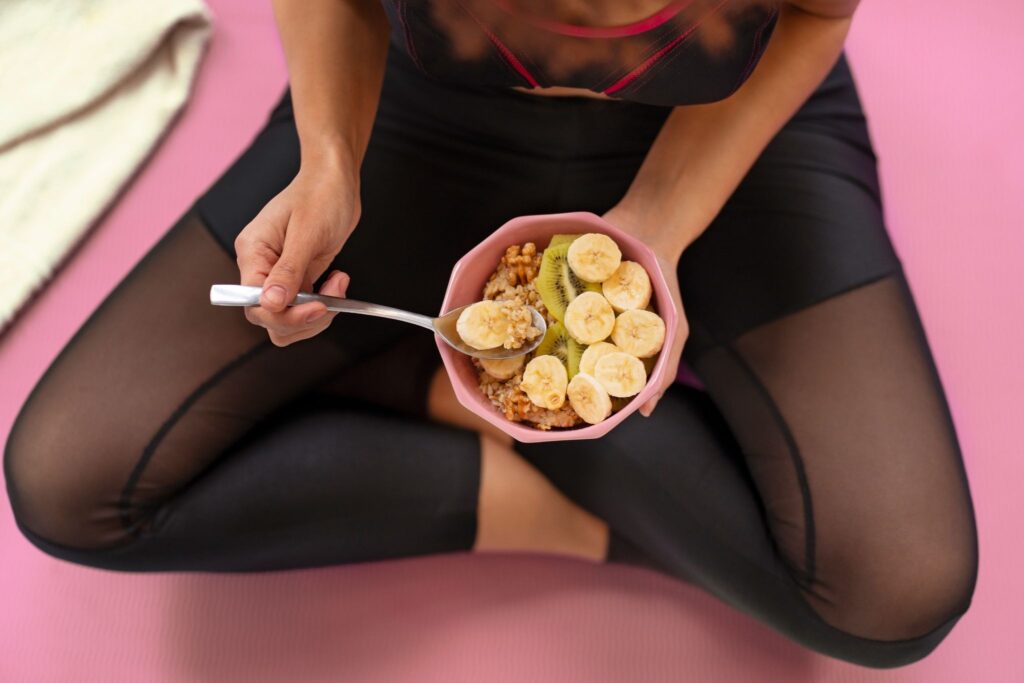
The internet is full of conflicting advice about workout nutrition. Some trainers swear by fasted cardio. Others say you need a pre workout meal or your performance will tank. One article tells you to eat immediately after exercise, while another says the timing window doesn’t matter at all.
So is it better to eat before or after a workout?
The answer depends on three main factors: your workout type, your fitness goals, and when you’re exercising. This guide breaks down exactly when you should eat, what foods work best, and how to figure out the right approach for your schedule and body.
Should You Eat Before or After a Workout?
For most people doing moderate exercise, eating before or after your workout produces similar results. Your total daily nutrition matters more than precise timing. That said, certain situations do call for more strategic meal timing.
Here’s when eating before exercise helps:
Your last meal was more than three to four hours ago. You’re doing intense or long-duration exercise (over 60 minutes). You’re planning strength training or HIIT workouts. You feel weak or lightheaded when you exercise on an empty stomach.
Here’s when you can skip the pre workout food and eat after instead:
Your last meal was within two hours. You’re doing light to moderate cardio for under 60 minutes. You feel sluggish or nauseous when you eat before exercising. You’re doing a quick morning workout and prefer to eat breakfast after.
For very intense training like heavy lifting, endurance sports, or competitive activities, eating both before and after gives you the best results.
Here’s a quick reference guide:
| Your Workout Type | When to Eat |
| Light cardio (30 minutes or less) | Either before or after works |
| Moderate cardio (30-60 minutes) | Small snack before if your last meal was 3+ hours ago |
| Intense cardio (60+ minutes) | Eat 1-3 hours before, eat within 2 hours after |
| Strength training | Light snack or meal 1-2 hours before, protein-rich meal after |
| HIIT workout | Small snack 30-60 minutes before if needed, eat after |
| Yoga or stretching | Timing matters less, go with what feels comfortable |
What Happens When You Eat Before Working Out
When you eat before exercise, you give your body immediate fuel to use during your workout. That meal or snack gets broken down into glucose, which your muscles can access quickly for energy.
Your Body Uses Food for Immediate Energy
The carbohydrates you eat get converted into blood sugar and stored as glycogen in your muscles and liver. When you start moving, your body pulls from these readily available energy sources first. This means you have more fuel in the tank to push harder during your workout.
You Can Train Harder and Longer
Studies show that people who eat before exercising can often work out at higher intensities and for longer durations compared to those who exercise on an empty stomach. If you’re planning a tough strength training session or a long run, having food in your system can make a real difference in how much you can do.
Your Blood Sugar Stays Stable
Pre workout nutrition helps prevent the shaky, weak feeling that can happen when your blood sugar drops during exercise. This is especially helpful if you have diabetes or tend to feel lightheaded when working out. Eating before exercise keeps your energy steady from start to finish.
You Might Feel Sluggish If You Eat Too Close to Exercise
The downside of eating before working out is timing. If you eat a large meal and immediately start exercising, blood flow gets divided between your digestive system and your muscles. This can make you feel heavy, bloated, or nauseous. The closer you are to your workout, the lighter your meal should be.
What Happens When You Work Out on an Empty Stomach
Exercising without eating first, often called fasted training, puts your body in a different metabolic state. Without recent food to use for fuel, your body has to dig into its stored energy reserves.
Your Body Burns More Fat for Fuel
When you haven’t eaten, your body has lower blood sugar and insulin levels. This forces it to break down stored fat for energy. Research published in the British Journal of Nutrition found that people who exercised before breakfast burned up to 20% more body fat compared to those who ate first.
You Might Feel Weaker or Lightheaded
Without immediate fuel available, some people feel less energetic during fasted workouts. You can notice this especially during high-intensity exercise or longer sessions. Your performance can suffer if your body doesn’t have the quick energy it needs.
Fat Burning Doesn’t Always Mean Fat Loss
Here’s where things get tricky. Yes, your body burns more fat during a fasted workout. But that doesn’t automatically translate to losing more body fat over time. What matters most for fat loss is your total calorie balance over the day and week, not just what happens during one workout session.
Some People Perform Better Fasted
Personal preference plays a big role here. Some people feel lighter, faster, and more focused when they exercise on an empty stomach. If you’re one of these people and your performance doesn’t suffer, fasted training can work well for you.
Eating Before or After a Workout for Weight Loss
If you’re trying to lose weight, you want to know which approach burns more calories and helps you drop pounds faster. The answer is less clear-cut than you might hope.
Fasted Workouts Burn More Fat But Don’t Guarantee More Weight Loss
While fasted cardio does burn a higher percentage of fat during the workout itself, multiple studies have found no significant difference in total fat loss between people who eat before exercise and those who don’t. A study in the Journal of the International Society of Sports Nutrition compared women who did fasted cardio to those who ate first. After four weeks, both groups lost similar amounts of weight and body fat.
Eating Before Helps You Work Out Harder
When you fuel up before exercising, you can typically push harder and burn more total calories during your session. A more intense workout burns more energy overall, which can matter more for weight loss than whether that energy came from fat or carbohydrates.
Total Daily Calories Matter More Than Timing
For weight loss, what you eat over the entire day counts more than workout meal timing. If fasted exercise makes you so hungry that you overeat later, you could end up consuming more calories than you would have by eating before your workout. On the flip side, if eating before exercise helps you stick to your routine and train harder, that consistency will serve your weight loss goals better.
The Best Choice for Sustainable Weight Loss
Pick the eating pattern that helps you stay consistent with exercise and doesn’t trigger overeating later. Some people do better with a light pre workout snack to fuel their training. Others prefer to work out fasted and eat a satisfying meal afterward. Both can work for weight loss if they help you maintain a calorie deficit over time.
Best Pre Workout Foods and When to Eat Them
If you decide to eat before exercising, timing and food choices make a big difference in how you feel during your workout.
3 to 4 Hours Before: Full Meals
When you have several hours before your workout, you can eat a regular balanced meal. This gives your body plenty of time to digest and convert food into usable energy.
Good options include:
Grilled chicken with brown rice and vegetables. Turkey sandwich on whole grain bread with a side salad. Oatmeal with banana, berries, and a scoop of protein powder. Pasta with lean meat and marinara sauce. Salmon with sweet potato and steamed broccoli.
These meals combine protein, complex carbohydrates, and some healthy fats to give you sustained energy.
1 to 2 Hours Before: Light Meals
With less time before your workout, choose something easier to digest. You want enough fuel without feeling too full.
Try these lighter options:
Greek yogurt with granola and fruit. Whole grain toast with almond butter and banana slices. Smoothie made with protein powder, fruit, and milk. Small bowl of oatmeal with a handful of nuts. Rice cakes with hummus and sliced vegetables.
Aim for mostly carbohydrates with some protein. Keep the fat and fiber moderate since they slow digestion.
30 Minutes Before: Quick Snacks
If you’re eating close to your workout start time, stick to simple carbohydrates that digest quickly.
Fast-acting snack ideas:
A banana or apple. Energy bar or granola bar. A few dates or dried fruit. Sports drink or juice. Applesauce pouch. Rice cakes with a thin layer of honey.
These give you a quick energy boost without sitting heavy in your stomach.
Foods to Avoid Before Working Out
Some foods are more likely to cause digestive discomfort during exercise:
High-fat foods like fried items, heavy cream sauces, or fatty meats (they slow digestion). High-fiber foods like beans, cruciferous vegetables, or bran (can cause gas and bloating). Spicy foods (can trigger heartburn or stomach upset). Large portions of any food (leave you feeling too full). New or unfamiliar foods (save experiments for rest days).
Best Post Workout Foods and When to Eat Them
What you eat after exercise helps your body recover, rebuild muscle tissue, and prepare for your next workout.
Why Post Workout Nutrition Matters
During exercise, your muscles use up their glycogen stores and create tiny tears in muscle fibers. This is normal and part of how you get stronger. After your workout, your body is primed to absorb nutrients and start the recovery process. Eating the right foods helps replenish energy stores, repair muscle damage, and reduce soreness.
The 30-Minute to 2-Hour Window Explained
You’ve probably heard about the post workout window, sometimes called the anabolic window. Research shows this window is more flexible than once thought. While eating within 30 minutes to an hour after exercise can be beneficial, waiting up to two hours doesn’t hurt your recovery significantly.
If you ate a meal one to two hours before your workout, the nutrients from that meal are still circulating in your system, making immediate post workout nutrition less critical. But if you exercised on an empty stomach or it’s been several hours since your last meal, eating sooner after your workout becomes more important.
Best Post Workout Meals
The ideal post workout meal combines protein and carbohydrates. Protein provides amino acids to repair and build muscle tissue. Carbohydrates replenish glycogen stores and help shuttle protein into your muscles.
Solid meal options:
Chicken breast with roasted potatoes and vegetables. Salmon with quinoa and steamed greens. Turkey and avocado wrap with a side of fruit. Eggs with whole grain toast and berries. Lean beef stir-fry with rice and mixed vegetables. Tofu scramble with sweet potato hash.
Aim for 20 to 40 grams of protein and 30 to 60 grams of carbohydrates, depending on your body size and workout intensity.
Simple Post Workout Snacks If You’re Not Hungry
Not everyone feels hungry immediately after exercise. If you don’t want a full meal but know you need something, try these lighter options:
Chocolate milk (great balance of protein and carbs). Protein shake with a banana. Greek yogurt with berries and honey. Peanut butter and jelly sandwich. Cottage cheese with pineapple. Trail mix with dried fruit and nuts.
These snacks give you the protein and carbohydrates you need without forcing down a big meal when you’re not ready for it.
Eating Before or After Different Types of Workouts
Your workout type should influence your eating strategy. Different exercises put different demands on your body.
Cardio (Running, Cycling, Walking)
For light to moderate cardio under an hour, eating before or after produces similar results. If you’re comfortable running or walking on an empty stomach, you can do that and eat breakfast or lunch afterward. Many people find this works well for early morning cardio.
For longer or more intense cardio sessions over an hour, eating before becomes more important. Have a meal two to three hours before, or a light snack 30 to 60 minutes before your run or ride. After longer cardio sessions, eat within an hour or two to help your body recover.
Strength Training
Lifting weights breaks down muscle tissue, which your body needs protein to rebuild. Eating before strength training gives you the energy to lift heavier and complete more reps. A small meal or snack one to two hours before your session works well.
Post workout nutrition is especially important after lifting weights. Your muscles are primed to absorb protein and start the repair process. Try to eat a protein-rich meal or shake within an hour or two of finishing your strength workout. This is one situation where the timing really does matter for results.
HIIT Workouts
High-intensity interval training burns through energy quickly. If you do HIIT on a completely empty stomach, you might not have the fuel to push as hard during your intense intervals. A small snack 30 to 60 minutes before can help, especially if your last meal was several hours ago.
After HIIT, treat it like you would strength training. Get some protein and carbohydrates within a couple of hours to help your body recover from the intense effort.
Yoga and Low-Impact Exercise
For gentle yoga, stretching, or low-impact movement, meal timing matters less. Many people prefer to practice yoga on an empty or nearly empty stomach because twisting poses can feel uncomfortable with a full belly. Others do fine with a light snack an hour before.
Listen to your body and choose what feels comfortable. These lower-intensity activities don’t demand the same immediate fuel or recovery nutrition as more intense exercise.
Morning Workouts
Early morning exercise presents unique challenges. You wake up after hours without food, so your glycogen stores are lower than they would be later in the day.
For very early workouts where you don’t have time to eat and digest, working out fasted can work fine for shorter, moderate-intensity sessions. Just make sure to eat a good breakfast afterward.
If you have 30 to 60 minutes before your workout, a small easily digestible snack like a banana, a few crackers, or half a piece of toast can give you enough energy without causing digestive issues.
When to Eat If You Work Out After Work
If you’re part of the 57% of people who exercise around 5:30 p.m. after work, your eating strategy depends on when you last ate and what you’re planning to do.
If Your Last Meal Was Lunch (4+ Hours Ago)
By the time you leave work, lunch was hours ago. Your energy is probably running low. Having a small snack before your workout will help you perform better and prevent that weak, shaky feeling.
If You Had an Afternoon Snack (1-2 Hours Ago)
If you had a snack around 3 or 4 p.m., you probably have enough fuel in your system to work out without eating again first. You can head straight to your workout and plan on eating dinner afterward.
Quick Pre Workout Snacks You Can Keep at Your Desk
Stock your desk or work bag with these easy options:
Individual packs of nut butter. Protein bars or granola bars. Rice cakes. Dried fruit or trail mix. Instant oatmeal packets. Crackers.
These don’t need refrigeration and give you quick energy when you need it.
What to Eat When You Get Home After Your Workout
After an after-work workout, you’re probably ready for dinner. This is a perfect time to eat your main evening meal. Include lean protein, complex carbohydrates, and vegetables. This meal serves as both dinner and post workout nutrition, killing two birds with one stone.
For more strategies on fitting exercise into your busy evenings, check out our guide on working out after work.
Should You Eat Before or After Morning Workouts?
Morning exercise is popular, but it comes with the challenge of deciding whether to eat first or work out on an empty stomach after sleeping all night.
Working Out Immediately After Waking Up
If you roll out of bed and start exercising within 15 to 30 minutes, you probably don’t have time to eat and digest anything. For shorter workouts under 45 minutes at moderate intensity, this is usually fine. Your body has enough stored energy to get through the session.
Just make sure to eat a good breakfast within an hour of finishing. This becomes your post workout meal and breaks the overnight fast.
Working Out 30-60 Minutes After Waking Up
If you have a little more time in the morning, having something small can improve your workout performance without causing digestive discomfort. The key is choosing foods that digest quickly.
Best Quick Breakfast Options for Morning Exercisers
Try these fast, easy options:
Half a banana with a spoonful of nut butter. A piece of toast with jam. A small bowl of cereal with milk. A handful of dried fruit. An energy bar. A few crackers.
These give you just enough fuel to power through your workout without sitting heavy in your stomach. After you finish exercising, eat a more complete breakfast with protein, carbohydrates, and healthy fats.
If you’re trying to figure out the best time of day for your workouts, our article on the best time to work out breaks down the pros and cons of morning versus evening exercise.
Common Mistakes People Make With Workout Nutrition
Even with good intentions, it’s easy to fall into patterns that work against your goals.
Eating Too Much Too Close to Exercise
One of the most common complaints is feeling sick or sluggish during a workout. This usually happens when someone eats a large meal within an hour of starting exercise. Your body can’t digest food and fuel intense movement at the same time. If you’re going to eat close to your workout, keep it small and simple.
Not Eating Enough Before Long or Intense Workouts
On the flip side, trying to power through a 90-minute run or heavy lifting session on an empty stomach often backfires. You’ll run out of energy, your performance will drop, and you might feel awful. For longer or harder workouts, fuel up properly one to three hours beforehand.
Skipping Post Workout Meals After Hard Training
If you do intense strength training or a long endurance workout and then don’t eat for several hours, you’re missing the window when your body is ready to recover. This can lead to increased soreness, slower recovery, and less progress over time. Make sure to eat within two hours of finishing intense exercise.
Overthinking Timing for Short, Easy Workouts
Not every workout demands precise meal timing. If you’re taking a 20-minute walk or doing gentle yoga, you don’t need to stress about eating at exactly the right time. Save the strategic timing for your harder training sessions.
Forcing Yourself to Eat When You’re Not Hungry
Some people don’t feel hungry after exercise, especially after intense workouts that suppress appetite temporarily. If you feel this way, don’t force down a big meal. Have a protein shake or light snack, then eat a regular meal when your appetite returns.
How to Figure Out What Works Best for You
Personal preference and individual response matter more than any general rule. What works perfectly for your workout partner might make you feel terrible.
Try Both Approaches for One Week Each
Spend one week eating before all your workouts. The next week, try working out fasted or on minimal food. Keep everything else the same: workout time, type, intensity, and duration.
Track How You Feel During Workouts
Pay attention to your energy levels, strength, endurance, and mood during exercise. Do you feel stronger when you’ve eaten first? Or do you feel lighter and faster on an empty stomach? Your body will tell you what it prefers.
Notice Your Energy Levels Throughout the Day
Workout nutrition affects more than just the exercise session itself. Notice how you feel for the rest of the day. Does eating before exercise give you sustained energy? Does working out fasted make you ravenous and likely to overeat later? These patterns matter for your overall success.
Adjust Based on Your Workout Schedule
Your eating strategy can change based on when you exercise. You might prefer fasted cardio in the morning but need a snack before evening strength training. There’s no rule that says you have to do the same thing every time.
FAQs
Should I eat before working out to lose weight?
You don’t have to eat before exercise to lose weight. Both fasted and fed workouts can support weight loss. Choose the approach that helps you work out consistently and doesn’t trigger overeating later. Total daily calorie balance matters more than workout timing.
Can I work out on an empty stomach?
Yes, many people work out on an empty stomach without problems, especially for shorter, moderate-intensity sessions. Your body can use stored fat and glycogen for fuel. Just make sure to eat a good meal afterward. If you feel weak, dizzy, or shaky, that’s a sign you need some food before exercising.
What should I eat 30 minutes before a workout?
If you’re eating close to your workout, stick to simple carbohydrates that digest quickly. Good options include a banana, an energy bar, a few crackers, or some dried fruit. Avoid high-fat or high-fiber foods that take longer to digest.
How soon after working out should I eat?
For most workouts, eating within one to two hours after exercising is fine. If you did intense strength training or a very long workout, eating sooner (within 30 to 60 minutes) can help with recovery. If you ate a meal shortly before exercising, you have more flexibility with post workout timing.
Is it bad to eat immediately after working out?
No, eating right after exercise is not bad. Your body is actually primed to absorb nutrients and start recovery. If you’re hungry and have food available, go ahead and eat. Just choose something with protein and carbohydrates to support muscle recovery and energy replenishment.
Do I need to eat before a 30-minute workout?
For a short 30-minute workout at moderate intensity, eating beforehand is optional. If your last meal was within a few hours, you probably have enough energy stored to get through it. If it’s been four or more hours since you ate, a small snack can help you perform better.
What if I feel sick when I eat before exercising?
If eating before exercise makes you nauseous, you’re probably eating too much or too close to your workout start time. Try eating smaller amounts, choosing easier-to-digest foods, or allowing more time between eating and exercising. Some people simply do better working out on an empty stomach, and that’s fine too.
Should I eat protein before or after lifting weights?
Both can work, but post workout protein is more important for strength training. Eating 20 to 40 grams of protein within a couple hours of finishing your lifting session gives your muscles the amino acids they need to repair and grow. A small amount of protein before lifting can also help, but it’s not as critical as what you eat afterward.
Final Thoughts
The debate over eating before or after working out doesn’t have one right answer for everyone. Your body, your goals, your schedule, and your personal preferences all play a role in what works best.
For most people doing moderate exercise, the timing doesn’t matter as much as eating well over the course of the day. If you’re training intensely, doing long workouts, or competing at a high level, strategic meal timing can give you an edge. For everyone else, consistency and total nutrition matter more than perfect timing.
The best approach is the one you can stick with. Experiment with different strategies, pay attention to how your body responds, and adjust based on what you learn. Whether you eat before, after, or both, the fact that you’re exercising regularly is what counts most.
Ready to test different nutrition strategies with your workouts? Sign up for free and explore Perspire.tv’s wide range of classes to find the perfect workout for your schedule and goals.